

Can UV LED be used for sterilization?
In recent years, the demand for effective sterilization methods has soared, especially in the wake of global health concerns. One technology that has gained significant attention is UV LED. As a UV LED supplier, I am often asked whether UV LED can be used for sterilization. In this blog post, I will delve into the science behind UV LED sterilization, its advantages, limitations, and practical applications.
The Science of UV LED Sterilization
Ultraviolet (UV) light is divided into three main categories based on wavelength: UVA (320 - 400 nm), UVB (280 - 320 nm), and UVC (100 - 280 nm). Among these, UVC light is the most effective for sterilization. UVC light has enough energy to damage the DNA and RNA of microorganisms, such as bacteria, viruses, and fungi, preventing them from replicating and ultimately leading to their death.
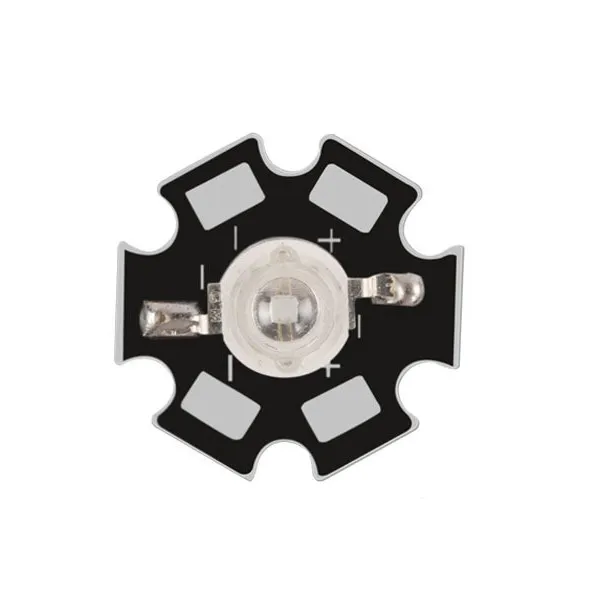
UV LED technology has made it possible to produce UVC light in a more efficient and compact form compared to traditional mercury-based UV lamps. UV LEDs emit light at specific wavelengths, allowing for targeted sterilization. For example, a wavelength of around 260 - 280 nm is particularly effective at inactivating a wide range of pathogens.
Advantages of UV LED for Sterilization
- Energy Efficiency: UV LEDs consume significantly less energy compared to traditional mercury lamps. This not only reduces operating costs but also makes them more environmentally friendly. With rising energy prices and growing environmental awareness, the energy efficiency of UV LEDs is a major selling point.
- Long Lifespan: UV LEDs have a much longer lifespan than mercury lamps. While mercury lamps typically last for a few thousand hours, UV LEDs can operate for tens of thousands of hours. This means less frequent replacement and reduced maintenance costs.
- Instant On/Off: Unlike mercury lamps, which require a warm-up period to reach full intensity, UV LEDs can be turned on and off instantly. This makes them ideal for applications where rapid sterilization is required, such as in food processing or medical device manufacturing.
- Compact Size: UV LEDs are small and lightweight, making them easy to integrate into various devices and systems. This allows for the development of portable and handheld sterilization products, such as the Portable Handheld Germicidal Lamp.
Limitations of UV LED for Sterilization
- Lower Intensity: Compared to high-power mercury lamps, UV LEDs generally have lower light intensity. This means that longer exposure times may be required to achieve the same level of sterilization. However, advancements in LED technology are continuously improving the intensity of UV LEDs.
- Limited Penetration: UV light has limited penetration ability and can only sterilize surfaces that are directly exposed to the light. It cannot penetrate through opaque materials, such as plastics or metals. Therefore, it is important to ensure that all surfaces to be sterilized are properly exposed to the UV light.
- Material Compatibility: Some materials may be sensitive to UV light and can be damaged or degraded over time. For example, certain plastics may become brittle or discolored when exposed to UV light. When using UV LED for sterilization, it is necessary to consider the material compatibility of the items being sterilized.
Practical Applications of UV LED Sterilization
- Healthcare: In the healthcare industry, UV LED sterilization can be used to disinfect medical equipment, surfaces in hospitals, and even air in isolation rooms. The ability to quickly and effectively sterilize equipment can help reduce the spread of nosocomial infections. For example, our SMD UVC LED can be incorporated into medical devices for continuous sterilization.
- Food and Beverage Industry: UV LED sterilization can be used to disinfect food processing equipment, packaging materials, and even food products themselves. By reducing the microbial load on food, it can extend the shelf life and improve the safety of the products. For instance, high-power UV LEDs can be used in conveyor belt systems to sterilize food as it moves along the production line.
- Water Treatment: UV LED technology can also be applied to water treatment. By installing UV LED modules in water pipes, microorganisms in the water can be effectively inactivated, providing clean and safe drinking water. The energy efficiency and long lifespan of UV LEDs make them a cost-effective solution for small-scale water treatment systems.
- Consumer Products: There is a growing market for consumer products that incorporate UV LED sterilization technology. These include handheld sterilization wands for disinfecting mobile phones, keyboards, and other everyday items, as well as UV LED sterilization boxes for baby bottles and toothbrushes.
Meeting the Demand for UV LED Sterilization
As a UV LED supplier, we are committed to providing high-quality products that meet the diverse needs of our customers. Our product range includes SMD UVC LED for various applications, High Power 405nm Led with excellent performance, and Portable Handheld Germicidal Lamp for convenient use.
If you are interested in incorporating UV LED sterilization technology into your products or processes, we would be more than happy to have a discussion with you. Our team of experts can provide you with detailed technical information, product samples, and customized solutions based on your specific requirements. Whether you are a large-scale manufacturer or a start-up company, we have the expertise and resources to support your UV LED sterilization needs.
We understand that every customer has unique needs, and we are dedicated to providing tailored solutions to ensure the best results. If you have any questions about our UV LED products or how they can be used for sterilization, please feel free to contact us. We look forward to the opportunity to work with you and help you achieve your sterilization goals.
References
- Setlow, R. B. (1974). Photobiology of ultraviolet radiation. Photochemistry and Photobiology, 20(1), 1 - 19.
- Kowalski, W. J. (2009). Ultraviolet Germicidal Irradiation Handbook: UVGI for Air and Surface Disinfection. Wiley - Blackwell.
- Sommer, S., & Jäckel, U. (2013). UV LEDs for water treatment: A review of their promise and current challenges. Applied Catalysis B: Environmental, 134 - 135, 223 - 232.