

Hello,This is ZHIDINGLED from China.As a supplier of SMD 0603 LEDs, I often encounter customers who are unsure about how to choose the right lens for their SMD 0603 LEDs. The lens plays a crucial role in determining the performance and application of the LED, so making the right choice is essential. In this blog post, I will share some key factors to consider when selecting a lens for SMD 0603 LEDs.
Understanding the Basics of SMD 0603 LEDs
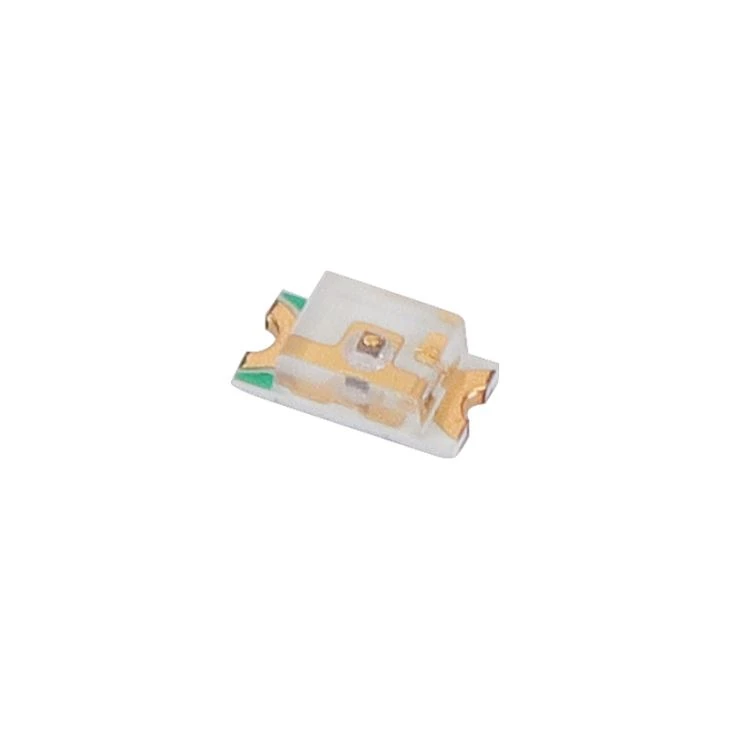
Before delving into lens selection, it's important to have a basic understanding of SMD 0603 LEDs. SMD stands for Surface Mount Device, and the 0603 refers to the size of the LED package, which measures 0.06 inches by 0.03 inches (1.6mm x 0.8mm). These LEDs are widely used in various applications, including backlighting, indicators, and automotive lighting, due to their small size, low power consumption, and high reliability.
Factors to Consider When Choosing a Lens
1. Light Distribution
One of the primary considerations when choosing a lens for SMD 0603 LEDs is the desired light distribution. Different lenses can provide different light patterns, such as narrow beam, wide beam, or diffused light. The light distribution you choose will depend on the specific application of the LED.
- Narrow Beam Lenses: These lenses are designed to focus the light into a narrow angle, typically between 10° and 30°. They are ideal for applications where a concentrated beam of light is required, such as spotlights or indicators.
- Wide Beam Lenses: Wide beam lenses spread the light over a wider angle, usually between 60° and 120°. They are suitable for applications where a more uniform and widespread illumination is needed, such as backlighting or general lighting.
- Diffused Lenses: Diffused lenses scatter the light in all directions, creating a soft and even illumination. They are commonly used in applications where a glare-free light is desired, such as in displays or signage.
2. Optical Efficiency
Optical efficiency refers to the ability of the lens to transmit light from the LED to the desired area without significant loss. A high optical efficiency lens will ensure that more of the light emitted by the LED is utilized, resulting in a brighter and more energy-efficient lighting solution.
When choosing a lens, look for materials with high transparency and low absorption. Common lens materials include polycarbonate, acrylic, and glass, each with its own advantages and disadvantages in terms of optical properties, durability, and cost.
3. Color Rendering Index (CRI)
The Color Rendering Index (CRI) is a measure of how accurately a light source reproduces the colors of objects compared to natural light. A high CRI value (close to 100) indicates that the light source can render colors more accurately, while a low CRI value may result in colors appearing distorted or washed out.
For applications where color accuracy is important, such as in photography, art galleries, or retail displays, it is recommended to choose a lens that does not significantly affect the CRI of the LED. Some lenses may have a slight impact on the CRI due to their optical properties, so it's important to consider this factor when making your selection.
4. Heat Resistance
SMD 0603 LEDs can generate heat during operation, and the lens should be able to withstand this heat without deforming or losing its optical properties. High temperatures can cause the lens to yellow, crack, or become cloudy, which can reduce the light output and affect the overall performance of the LED.
When choosing a lens, consider the maximum operating temperature of the LED and select a lens material that has a high heat resistance. Polycarbonate lenses, for example, are known for their excellent heat resistance and can withstand temperatures up to 120°C or higher.
5. Mounting and Compatibility
The lens should be easy to mount and compatible with the SMD 0603 LED package. Some lenses are designed to be directly mounted on the LED, while others may require additional mounting hardware or fixtures.
Make sure to choose a lens that is specifically designed for SMD 0603 LEDs and is compatible with the mounting method you plan to use. This will ensure a secure and reliable installation and prevent any issues with alignment or light leakage.
Examples of SMD 0603 LED Applications and Lens Selection
1. Backlighting for LCD Displays
In backlighting applications for LCD displays, a wide beam or diffused lens is typically used to provide uniform illumination across the entire display area. A diffused lens can help to reduce glare and create a more comfortable viewing experience.
For example, if you are using Red SMD 0603 LED or 0603 Led Red for backlighting, a diffused lens made of acrylic or polycarbonate would be a good choice. These materials offer high transparency and can effectively scatter the light to provide a uniform backlight.
2. Automotive Lighting Indicators
In automotive lighting indicators, a narrow beam lens is often used to direct the light in a specific direction and provide a clear and visible signal. The lens should be able to withstand the harsh environmental conditions in the automotive environment, including high temperatures, vibrations, and moisture.
For SMD 0603 Blue LED used in automotive indicators, a narrow beam lens made of polycarbonate would be a suitable option. Polycarbonate lenses are known for their high impact resistance and durability, making them ideal for automotive applications.
Conclusion
Choosing the right lens for SMD 0603 LEDs is a critical decision that can significantly impact the performance and application of the LED. By considering factors such as light distribution, optical efficiency, CRI, heat resistance, and mounting compatibility, you can select a lens that meets your specific requirements and provides the best possible lighting solution.
If you have any questions or need further assistance in choosing the right lens for your SMD 0603 LEDs, please feel free to contact us. We are a leading supplier of SMD 0603 LEDs and can provide you with professional advice and high-quality products.
References
- "LED Lighting Handbook" by John C. Lin
- "Optics for Engineers" by Myung K. Kim