

Hey there! As an IR LED supplier, I know firsthand how important it is to keep costs down without sacrificing quality. In this blog post, I'm going to share some practical tips on how to reduce the cost of using IR LEDs.
1. Choose the Right Type of IR LED
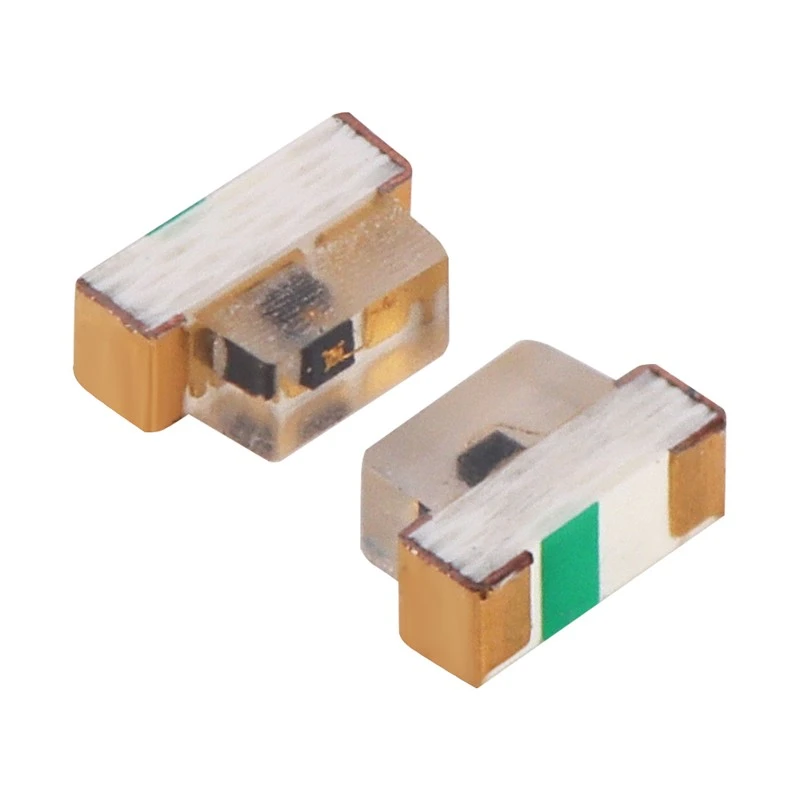
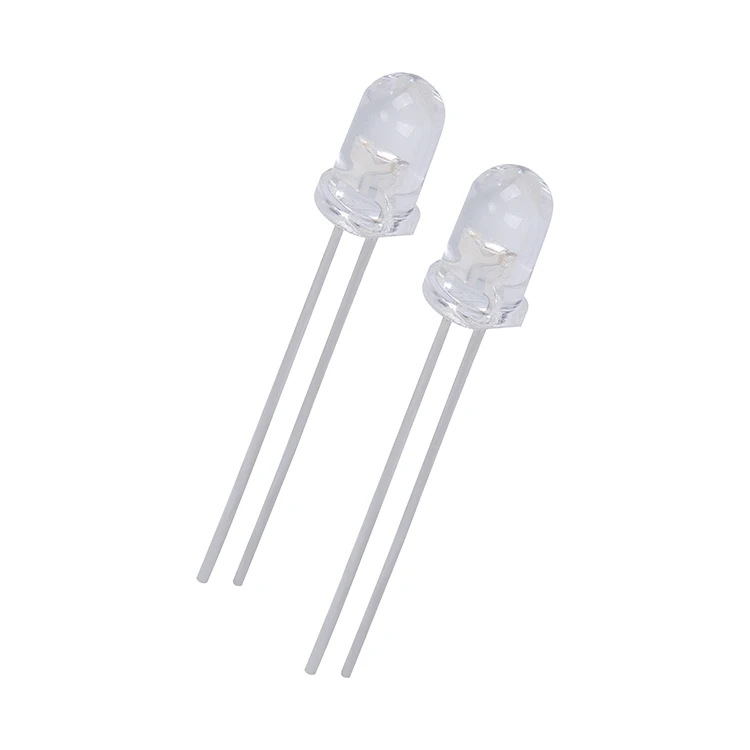
First off, it's crucial to pick the right type of IR LED for your specific application. There are different types, such as through - hole (DIP) and surface - mount (SMD) IR LEDs.
If you're working on a project with a large - scale production, SMD IR LEDs like the 0603 IR LED can be a great choice. They are smaller in size, which allows for more efficient use of the PCB space. This can lead to a reduction in the overall board size and potentially lower the cost of the printed circuit board.
On the other hand, if you need a more robust and easy - to - install option, through - hole IR LEDs might be better. For example, the 3mm Infrared Lamp LED Emitters are widely used in various applications. They are relatively easy to handle during the assembly process, which can save on labor costs.
2. Optimize the Power Consumption
Another key factor in reducing the cost of using IR LEDs is to optimize their power consumption. You can do this by using the right driver circuit. A well - designed driver can ensure that the IR LEDs operate at their optimal power level.
For instance, if you're using high - power IR LEDs like the 0.5W IR LED, a proper driver can prevent over - driving the LEDs, which not only saves energy but also extends the lifespan of the LEDs. Over - driving can cause the LEDs to heat up more, leading to faster degradation and potentially more frequent replacements.
You can also consider using pulse - width modulation (PWM) to control the power output of the IR LEDs. By adjusting the duty cycle of the PWM signal, you can control the average power consumed by the LEDs. This is especially useful in applications where full - power operation is not always required, such as in some security cameras that only need high - intensity IR illumination at specific times.
3. Buy in Bulk
Buying IR LEDs in bulk is a no - brainer when it comes to cost - reduction. Most suppliers offer volume discounts, so the more you buy, the lower the unit cost.
However, before you go ahead and place a large order, make sure you have a clear understanding of your future demand. You don't want to end up with a large inventory of IR LEDs that you won't use in the long run. It's a good idea to analyze your past usage patterns and make a reasonable forecast of your future needs.
4. Evaluate the Supplier
Not all IR LED suppliers are created equal. When choosing a supplier, look for one that offers high - quality products at a competitive price. You can compare different suppliers based on factors such as product quality, price, delivery time, and customer service.
A good supplier should be able to provide you with detailed product specifications and technical support. They should also be willing to work with you to find the best solution for your specific needs. For example, if you have a unique application that requires a custom - designed IR LED, a good supplier will be able to assist you in developing the right product.
5. Consider Alternative Technologies
In some cases, it might be worth considering alternative technologies that can achieve similar results as IR LEDs at a lower cost. For example, there are some optical sensors that can be used in place of IR LEDs in certain applications.
However, it's important to note that these alternatives might not always be a perfect fit. You need to carefully evaluate the performance requirements of your application and determine if an alternative technology can meet those requirements. If you're not sure, it's a good idea to consult with an expert in the field.
6. Reduce Assembly Costs
The assembly process can also contribute to the overall cost of using IR LEDs. To reduce assembly costs, you can look for ways to simplify the assembly process.
For example, using pre - assembled modules can save a lot of time and labor. Instead of soldering individual IR LEDs onto the PCB, you can simply connect the pre - assembled module. This not only reduces the assembly time but also reduces the risk of errors during the assembly process.
7. Extend the Lifespan of IR LEDs
The longer the lifespan of the IR LEDs, the less frequently you'll need to replace them, which can save you a significant amount of money in the long run.
To extend the lifespan of IR LEDs, you need to ensure that they operate within their specified temperature and current limits. You can use proper heat sinks to dissipate heat and prevent the LEDs from overheating. Additionally, you can implement a power management system to ensure that the LEDs are not subjected to excessive voltage or current.
Conclusion
Reducing the cost of using IR LEDs requires a combination of smart choices, from selecting the right type of LED to optimizing power consumption and working with a reliable supplier. By following these tips, you can significantly lower your overall costs while still maintaining the quality and performance of your IR LED - based applications.
If you're interested in learning more about our IR LED products or have any questions regarding cost - reduction strategies, feel free to reach out and start a procurement discussion. We're here to help you find the best solutions for your needs.
References
- "LED Lighting Handbook" by John C. Lin
- "Optoelectronics: An Introduction" by S.O. Kasap